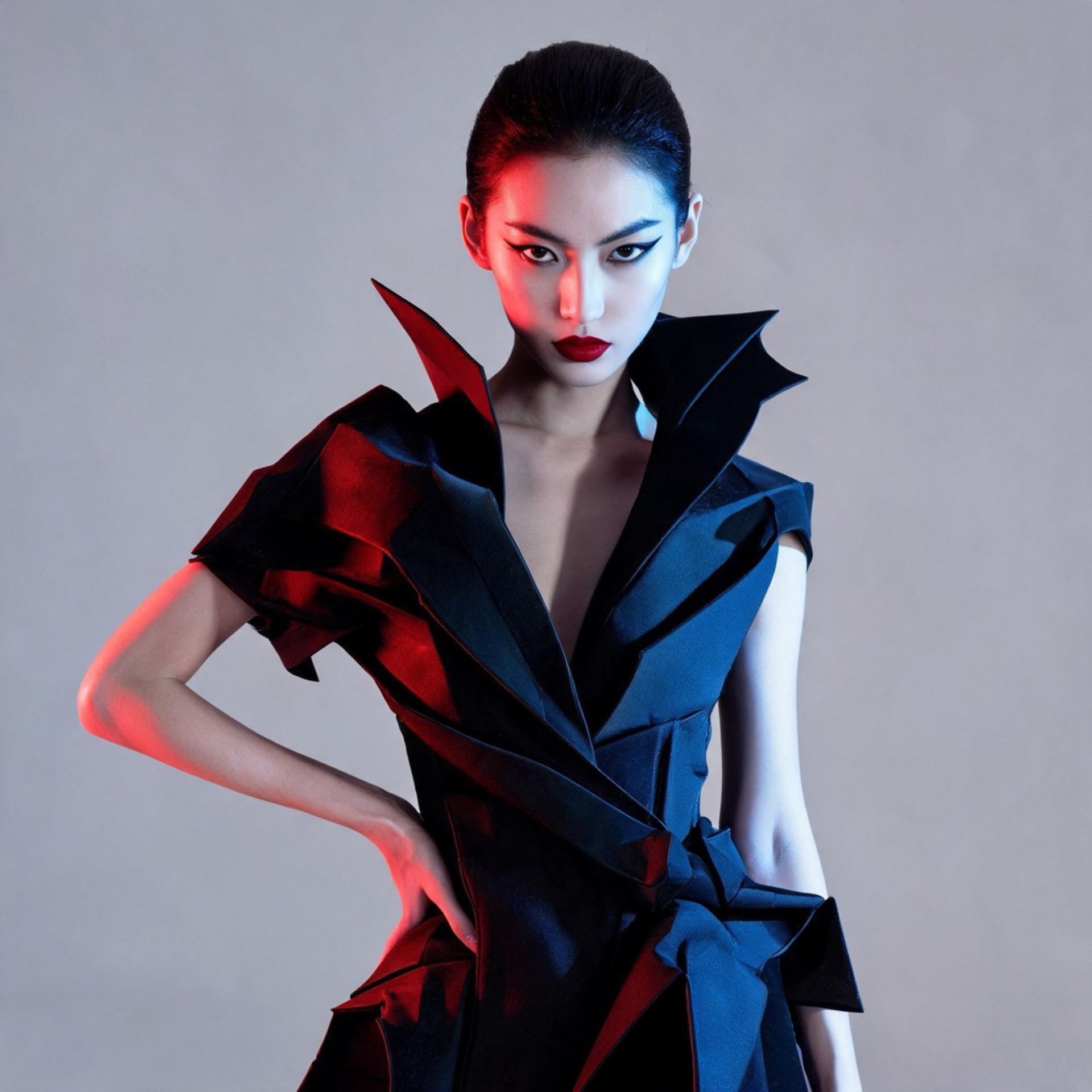
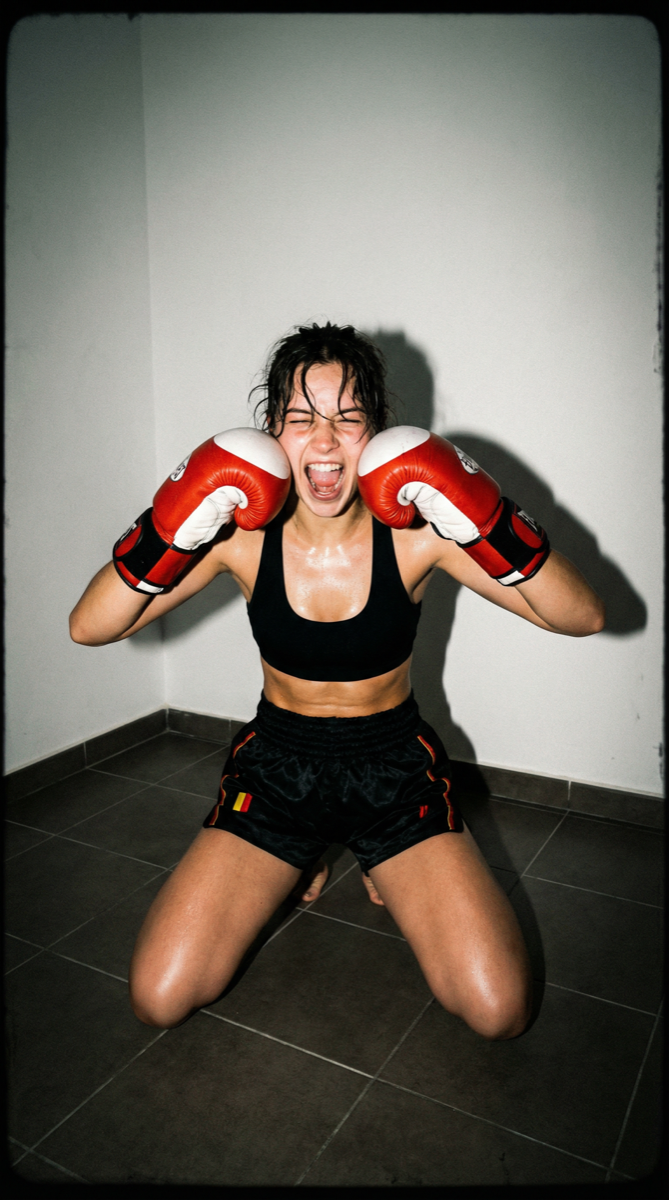
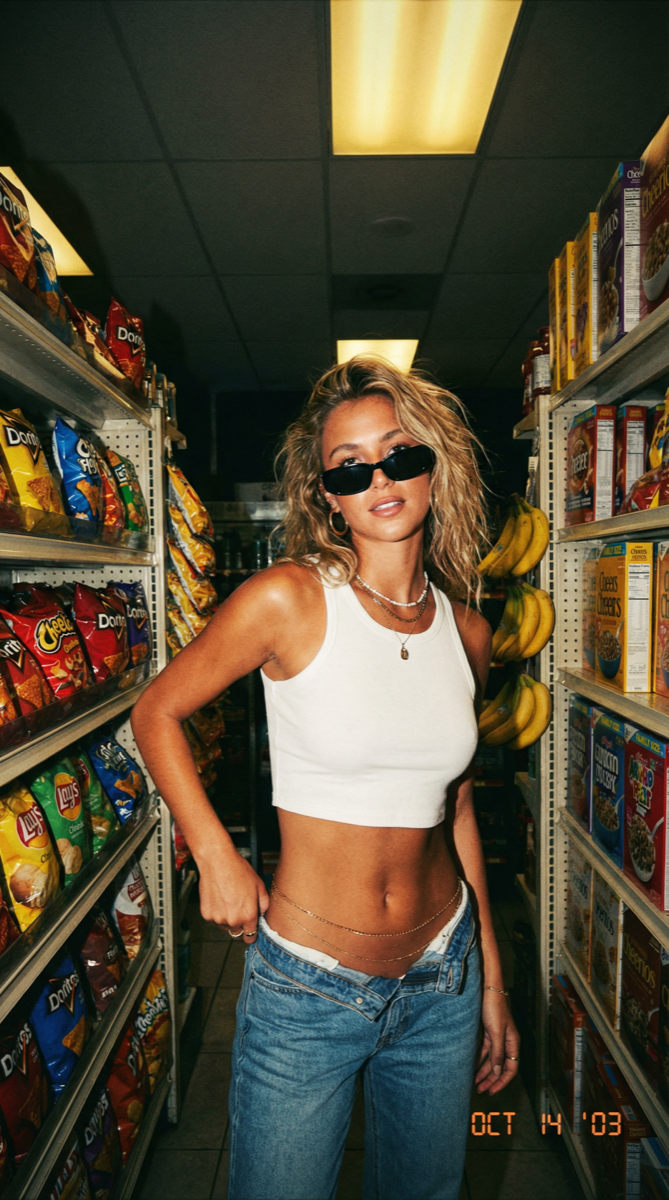
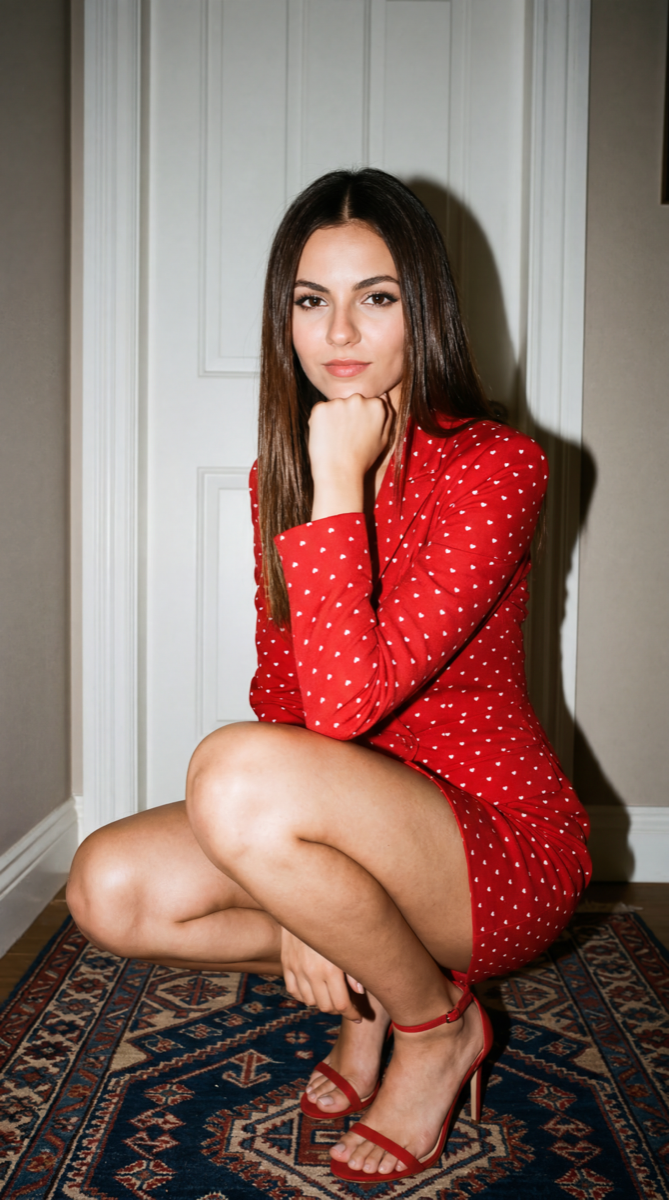
What is an AI pic generator?
The technology uses diffusion models trained on billions of image-text pairs. These models learn the relationships between descriptive language and visual output, allowing them to translate text prompts directly into images. Modern implementations can generate photorealistic imagery as well as illustrations in any artistic style.
The practical outcome: anything you can describe, the AI can picture. A character for your game, a concept for a pitch deck, a product mockup for a client, a social media graphic — all from a single text input, in under 30 seconds.
What can you generate with an AI pic generator?
Illustrations
Any illustration style — flat design, watercolour, comic, technical. Exact style from a prompt.
Character Design
Generate characters for games, stories, and social media. Iterate on appearance with prompt variations.
Marketing Assets
Pitch deck visuals, ad creatives, thumbnail images — on-brand and unique, generated from a brief.
Social Media Content
On-brand graphics for Instagram, LinkedIn, TikTok. Generate 100 variations in one batch.
Ready to try it? Create on OpenMov — no experience needed.
Start on OpenMov →How do you write a good AI pic prompt?
Quick examples:
- "Minimalist flat design illustration of a mountain landscape, teal and white, clean lines"
- "Watercolour portrait of a red fox in autumn forest, soft pastel tones, loose brushwork"
- "3D render of a floating island city, sci-fi architecture, dramatic lighting, cinematic"
Vague prompt = vague result. The more you specify, the more the output matches what you have in mind.
AI pic generator vs hiring a designer
The right tool depends on the use case. For brand identity, final campaign visuals, and work where exact execution matters — a designer is irreplaceable. For generating 50 ad creative variations to test, illustrating a blog post, or producing concept options for a client to react to — an AI pic generator is faster and cheaper at every stage of that workflow.
Most production workflows now use both: AI for ideation and volume, designers for refinement and final execution. The two approaches complement each other — AI handles speed and iteration while skilled designers focus on polish and brand consistency.